Moshi, Pune
Barcode By Rama Group,

Barcode By Rama Group,
Get a Free Quote
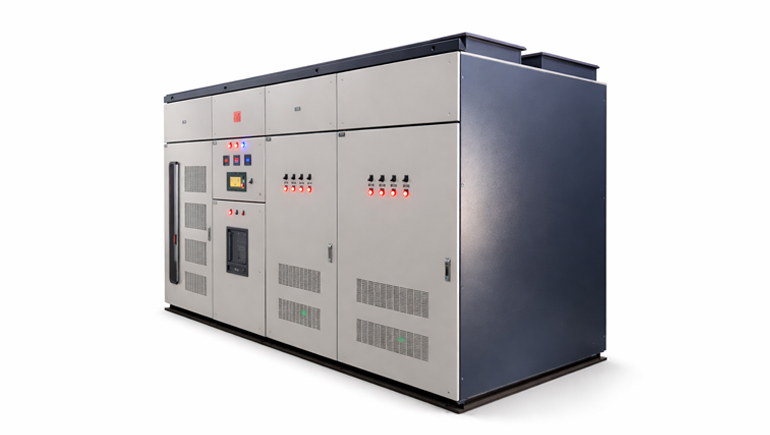
PQI’s Smart Hybrid APFC System is a next-generation power factor correction solution that intelligently combines conventional APFC (capacitor banks) with advanced Static VAR Generator (SVG) technology. This hybrid approach delivers precise, real-time reactive power compensation, ensuring near-unity power factor even under rapidly fluctuating and non-linear load conditions.
Designed for modern Indian industries, Hybrid APFC Systems not only reduce reactive power penalties but also improve waveform quality, minimize harmonics, and enhance overall energy efficiency. The result is stable power quality, lower losses, and extended life of electrical equipment.
A Hybrid APFC System is an intelligent reactive power compensation solution that integrates passive correction (APFC capacitor banks) with active compensation (SVG). While capacitor banks handle steady-state reactive power, the SVG responds instantly to dynamic load variations, delivering fast and accurate correction.
This active + passive combination ensures superior power factor correction, harmonic mitigation, and stable voltage profiles—making Hybrid RTPFC Panels ideal for industries with rapidly changing loads, VFDs, UPS systems, welding machines, and other non-linear equipment.
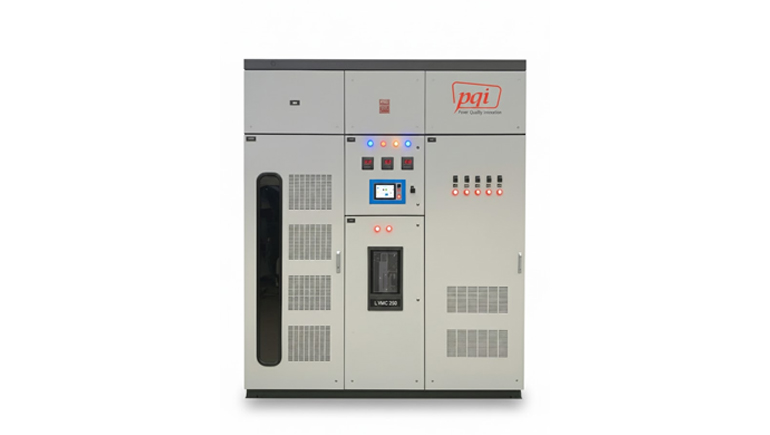
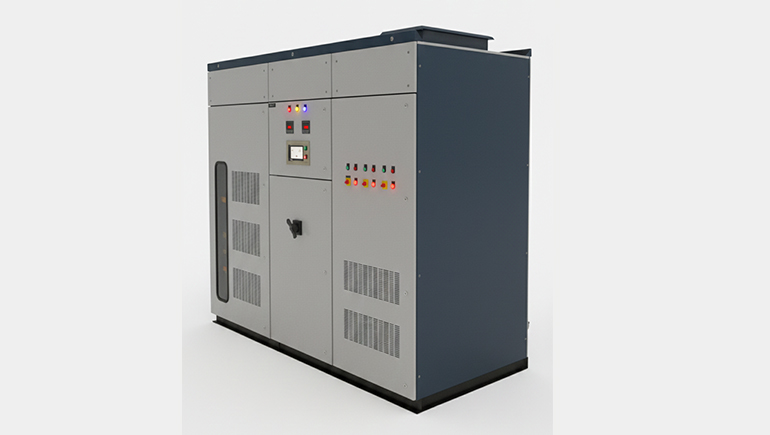
Hybrid technology combining APFC + SVG for precise power factor correction
Dynamic reactive power compensation with response time < 20 ms
Automatic capacitor stage switching with zero-cross control
Leading & lagging reactive power compensation up to unity power factor
Harmonic mitigation and improved waveform quality
Microcontroller / PLC-based intelligent control system
User-friendly HMI / touchscreen with alarms and data visualization
Modbus / Ethernet communication for monitoring and data logging
Modular, compact design suitable for future expansion
PQI Hybrid APFC Systems deliver superior power quality by combining the reliability of passive compensation with the speed and precision of active technology. This results in consistent power factor correction, reduced harmonic stress, and improved voltage stability.
Key benefits include reduced electricity penalties, lower system losses, enhanced equipment life, compliance with IEEE power quality standards, and optimized energy efficiency for industrial and commercial electrical networks.

